| page_type | languages | products | extensions |
|---|---|---|---|
|
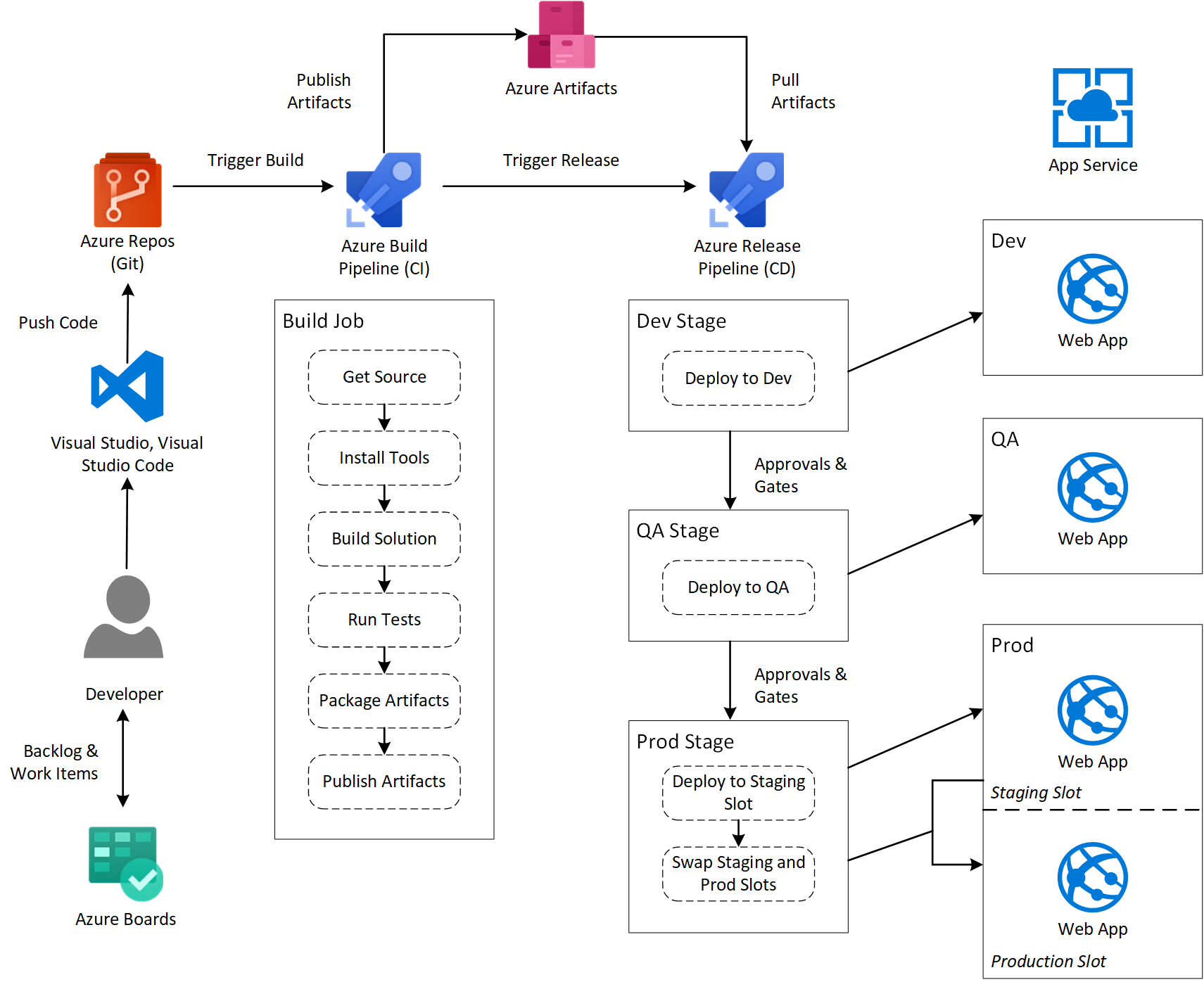
In this article, we will see – how to deploy Azure WebApp, add deployment slot, code push to Production and Staging slots finally, swap the slots Design and Architecture of Azure Web App Deployment slots is given on the link below – Azure WebApps – Deployment Slots Architecture Deploy Azure WebApp Login to Azure Portal. You can set multiple providers to deploy to specific slots. The following configuration would deploy the master branch to the myapp-staging slot and the develop branch to the myapp-develop slot. In order to use slots you’ll need to set up staging environments for web apps in Azure App Service.
Azure App Service basic sample for managing web apps.
- Create 3 web apps in 3 different regions
- Deploy to all 3 web apps
- For each of the web apps, create a staging slot
- For each of the web apps, deploy to staging slot
- For each of the web apps, auto-swap to production slot is triggered
- For each of the web apps, swap back (something goes wrong)
Running this Sample
To run this sample:
Set the environment variable AZURE_AUTH_LOCATION with the full path for an auth file. See how to create an auth file.
More information
Azure Management Libraries for C#Azure .Net Developer CenterIf you don't have a Microsoft Azure subscription you can get a FREE trial account here
This project has adopted the Microsoft Open Source Code of Conduct. For more information see the Code of Conduct FAQ or contact opencode@microsoft.com with any additional questions or comments.
| page_type | languages | products | extensions |
|---|---|---|---|
|
Azure App Service basic sample for managing web apps.
- Create 3 web apps in 3 different regions
- Deploy to all 3 web apps
- For each of the web apps, create a staging slot
- For each of the web apps, deploy to staging slot
- For each of the web apps, auto-swap to production slot is triggered
- For each of the web apps, swap back (something goes wrong)
Running this Sample
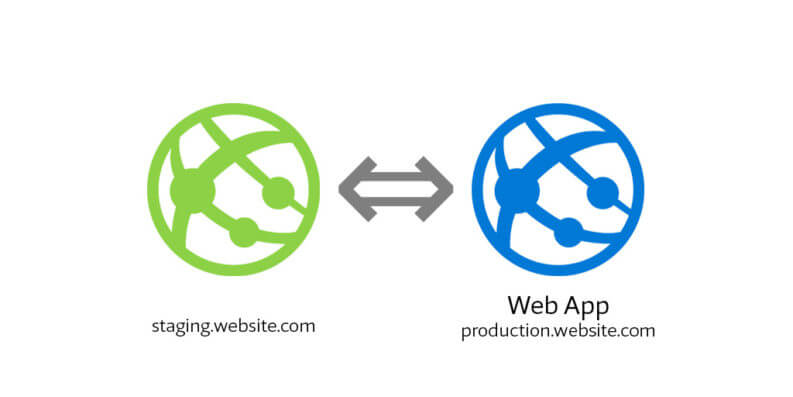
Azure Web App Slot Swap
To run this sample:
Set the environment variable AZURE_AUTH_LOCATION with the full path for an auth file. See how to create an auth file.
More information

If you don't have a Microsoft Azure subscription you can get a FREE trial account here
This project has adopted the Microsoft Open Source Code of Conduct. For more information see the Code of Conduct FAQ or contact opencode@microsoft.com with any additional questions or comments.